
New Chapter of Bank Indonesia Liquidity Assistance (Serial 1): Long History of State Money Looted
JAKARTA – President Soeharto was agitated. Indonesia’s economic growth, which had skyrocketed due to the oil boom, began to slow towards the end of the 1980s. The Indonesian economy, which had skyrocketed 9.88% year-on-year (yoy), slowly but surely weakened to touch 4.93% yoy in 1987. Not abstaining from direction, the leader of the New Order […]

Fadel Surur
Author

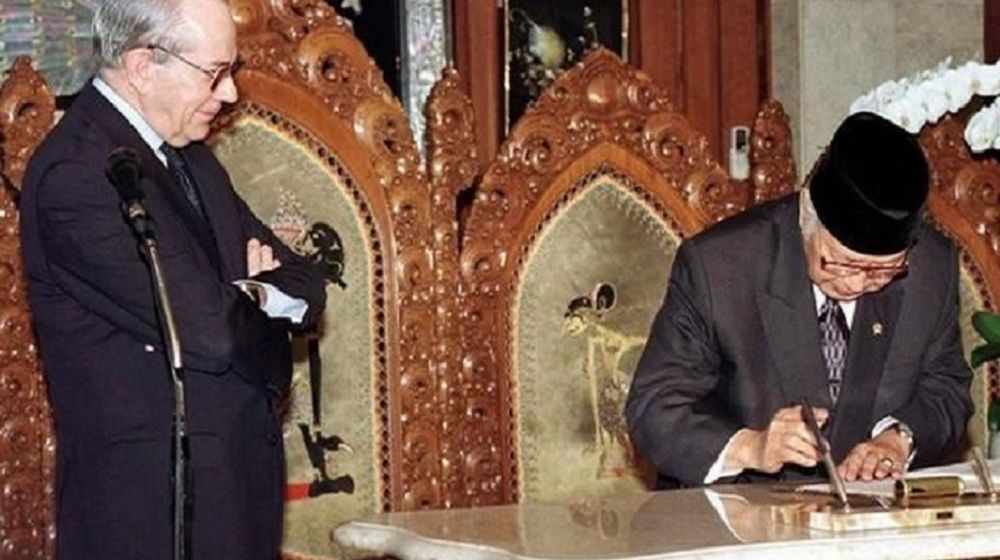
Presiden Soeharto menandatangani perjanjian dengan IMF. Managing Director IMF Michel Camdessus terlihat memandanginya dengan bersedekap. / AP
(Istimewa)JAKARTA – President Soeharto was agitated. Indonesia’s economic growth, which had skyrocketed due to the oil boom, began to slow towards the end of the 1980s. The Indonesian economy, which had skyrocketed 9.88% year-on-year (yoy), slowly but surely weakened to touch 4.93% yoy in 1987.
Not abstaining from direction, the leader of the New Order era chose to take shortcuts to boost the economy. Soeharto then took a policy package of 27 October 1988 or Pakto 88 to trigger bank credit.
Who would have thought? The initial intention to bring new banks to life would turn into a disaster in which the cases have not been completed for three decades in 2021.
Pakto 88 itself was a policy that facilitated the establishment of banks with a minimum paid-up capital of only Rp10 billion and Rp50 million for Rural Banks (BPR).
- Modernland Realty Raup Marketing Sales Rp341 Miliar pada Kuartal I-2021
- Waskita Karya Raih Kontrak Pembangunan Jalan Perbatasan RI-Malaysia Rp225 Miliar
- Pengelola Hypermart (MPPA) Berpotensi Meraih Rp670,85 Miliar Lewat Private Placement
- Gandeng Visa Indonesia, MNC Bank Luncurkan MotionVisa
- Pemkot Tangerang Buka Posko Pengisian Oksigen Medis
This policy intervention also paid off in a short time. The number of banks from 111 companies rose to 136 companies in 1989. Likewise, Indonesia’s economic growth rose to 5.8% yoy in 1989.
The blessing of the Pakto 88 policy reached its peak in 1995 where the number of banks reached 240 companies with a total deposit of Rp214 trillion and loans disbursed to Rp234.61 trillion. Simultaneously, Indonesia’s economic growth was entrenched at 8.3% yoy in the same year.
Monetary Crisis
However, the blessing of Pakto 88’s policy did not last long. The Asian Financial Crisis from Thailand began to have an effect on monetary instability in August 1997.
Indonesia was directly affected by the financial crisis. This can be seen from the value of the rupiah currency which was decided to float freely in August 1997.
Since then, the value of the Indonesian currency has continued to depreciate. The value of the rupiah moved wildly from Rp2,390 per United States (US) dollar in June 1997 to Rp11,000 in January 1998. The rupiah fell almost 400%.
- Modernland Realty Raup Marketing Sales Rp341 Miliar pada Kuartal I-2021
- Waskita Karya Raih Kontrak Pembangunan Jalan Perbatasan RI-Malaysia Rp225 Miliar
- Pengelola Hypermart (MPPA) Berpotensi Meraih Rp670,85 Miliar Lewat Private Placement
- Gandeng Visa Indonesia, MNC Bank Luncurkan MotionVisa
- Pemkot Tangerang Buka Posko Pengisian Oksigen Medis
The Indonesian people were also filled with worries, panic, and even fear of the condition of the Indonesian economy so that they flocked to withdraw their money from banks. This started the liquidity crisis in Indonesia at that time.
This phenomenon is also known as bank runs. According to Sudipto’s (1993) research entitled contemporary banking theory, bank runs occur due to public distrust of banks. The reason was that the government at that time had not yet established a deposit insurance agency and the absence of deposit insurance made people worry that their money would evaporate in the bank.
Bank Indonesia (BI) in a document reported that the number of bad loans in 1997 immediately rose by 7.7% yoy to a value of Rp10.2 trillion. The liquidity crisis was becoming more and more apparent and the banking boom was approaching its final stage.
This monetary crisis clearly hit Indonesia’s economic growth, which fell to 4.7% yoy in 1997. The peak of the monetary crisis in 1998 made the Indonesian economy plummet with contraction reaching 13.13% yoy.
IMF and BI Aid
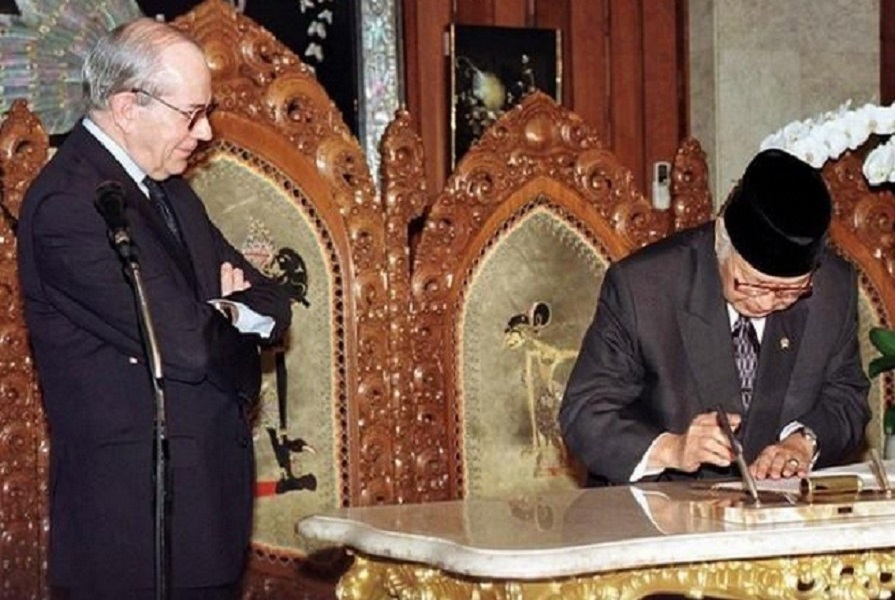
The International Monetary Fund (IMF) tried to improve the situation through an aid scheme worth US$43 billion to inject “unwell” banks in November 1997. However, tough negotiations made the aid package only liquidated on January 15, 1998.
Not only providing funds, the IMF recommended the Indonesian government to dissolve banks that are already mired in bad loans and the liquidity problems that follow. In addition, the IMF encouraged banks that are unwell, but still recovering, to be rehabilitated by the Indonesian Bank Restructuring Agency (IBRA).
On the other hand, BI was starting to show its role in fixing ailing banks. The initial step taken by BI was to liquidate 16 banks which the IMF claimed at that time could no longer be saved.
- Modernland Realty Raup Marketing Sales Rp341 Miliar pada Kuartal I-2021
- Waskita Karya Raih Kontrak Pembangunan Jalan Perbatasan RI-Malaysia Rp225 Miliar
- Pengelola Hypermart (MPPA) Berpotensi Meraih Rp670,85 Miliar Lewat Private Placement
- Gandeng Visa Indonesia, MNC Bank Luncurkan MotionVisa
- Pemkot Tangerang Buka Posko Pengisian Oksigen Medis
The list of 16 liquidated banks:
1. Bank Harapan Sentosa
2. Bank Pacific
3. Sejahtera Bank Umum
4. Bank Andromeda
5. Astria Raya Bank
6. Bank Industri
7. South Asia Bank
8. Bank Guna Internasional
9. Bank Pinaesan
10. Bank Mataram Dhanarta
11. Bank Jakarta
12. Bank kosagrha Semesta
13. Bank Umum Majapahit Jaya
14. Bank Citra Hasta Dhana
15. Bank Dwipa Semesta
16. Anrico Bank Limited
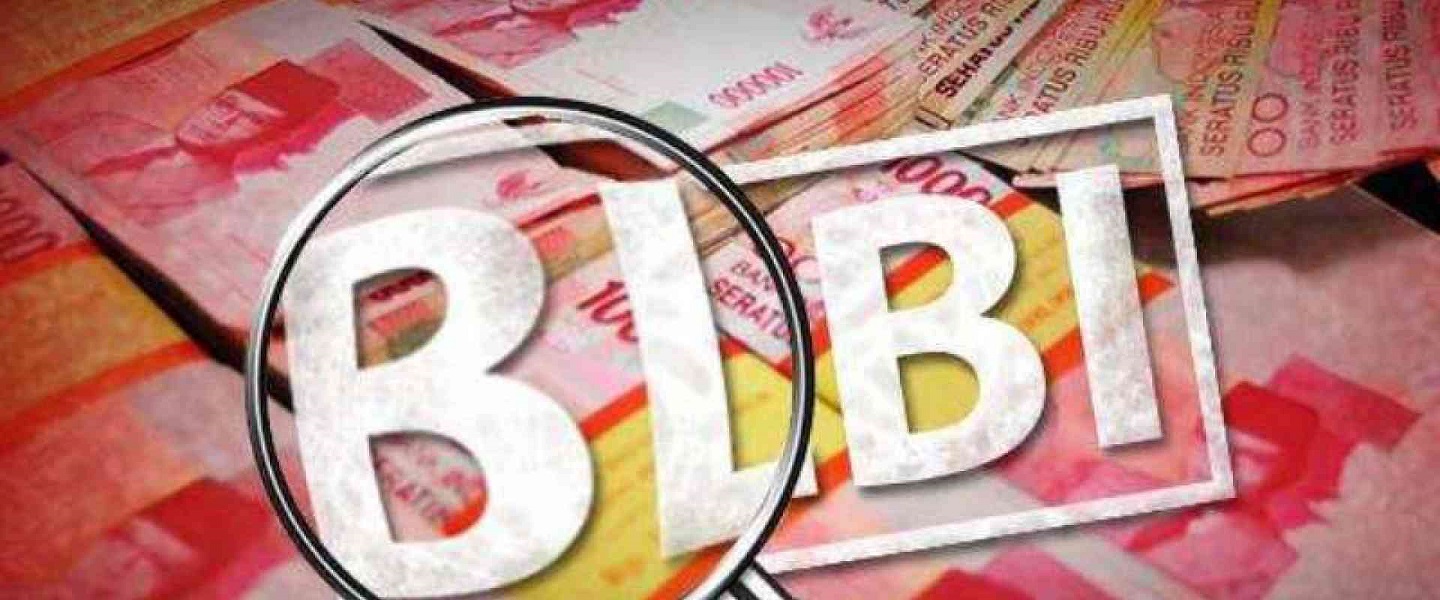
BI also issued bailout funds to 48 other ailing banks through Bank Indonesia Liquidity Assistance (BLBI). The funds reached by BI reached Rp144.53 trillion.
This is where the root of the BLBI case is currently being managed by the government. Of the funds that have been disbursed by BI, it was recorded that only Rp6 trillion was used for bank restructuring.
Meanwhile, the other Rp138 trillion was not used by debtors properly. A number of bank owners at that time were recorded to have misappropriated BLBI funds.
- Modernland Realty Raup Marketing Sales Rp341 Miliar pada Kuartal I-2021
- Waskita Karya Raih Kontrak Pembangunan Jalan Perbatasan RI-Malaysia Rp225 Miliar
- Pengelola Hypermart (MPPA) Berpotensi Meraih Rp670,85 Miliar Lewat Private Placement
- Gandeng Visa Indonesia, MNC Bank Luncurkan MotionVisa
- Pemkot Tangerang Buka Posko Pengisian Oksigen Medis
The funds issued by BI did not show any results, even after the Asian financial crisis ended. Responding to this condition, the President of Indonesia after the New Order era ended, namely B.J. Habibie issued an edict to recover BLBI funds from a number of debtors.
A number of conglomerate names who at that time founded banks were recorded to have enjoyed BLBI funds. According to Indonesia Corruption Watch (ICW) records, at least 65 debtors received BLBI funds.
The names of several bank officials who are known to be involved in the BLBI case include Sudjiono Timan, Eko Edi Putranto, Samadikun Hartono, Lesmana Basuki, Sherni Kojongian, Hendro Bambang Sumantri, Edy Djunaedi, Ede Uto, Toni Suherman, Bambang Sutrisno, Andrian Kiki Ariawan, Harry Mattalata, Nader Taher, and Dharmono K Lawi.
The Era has Changed, the State Money has not Returned
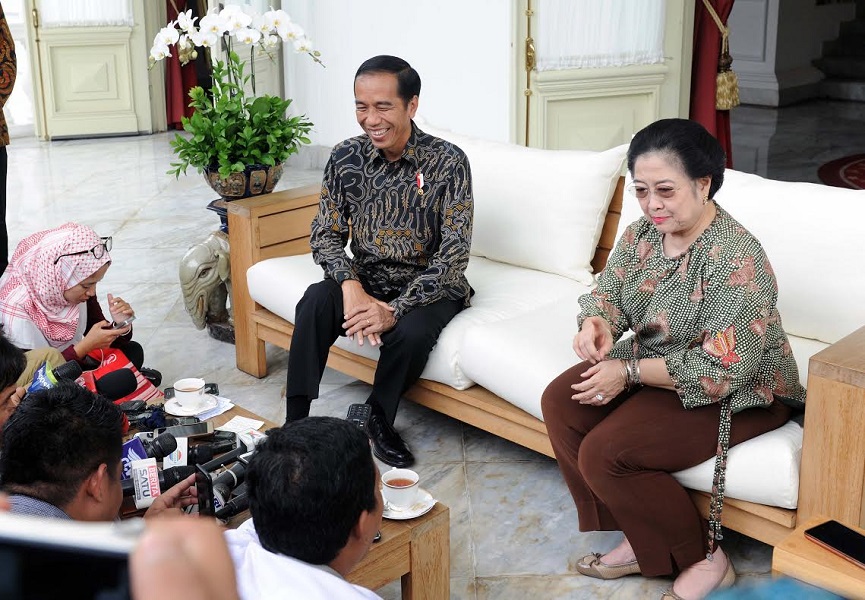
On December 30, 2002, the legal protection of debtors was signed by President Megawati Soekarnoputri. The daughter of President Soekarno made a policy that guarantees legal protection for debtors who are willing to return BLBI funds through Presidential Instruction (Inpres) No. 8 of 2002 concerning the Provision of Legal Assurance Guarantees to Bank Owners Who Successfully Pay Off Their Debt
The government’s efforts to hunt down debtors cannot actually be said to have failed completely. The government managed to arrest the Director of Bank Surya, Andrian Kiki Ariawan, and sentenced him to life.
- Modernland Realty Raup Marketing Sales Rp341 Miliar pada Kuartal I-2021
- Waskita Karya Raih Kontrak Pembangunan Jalan Perbatasan RI-Malaysia Rp225 Miliar
- Pengelola Hypermart (MPPA) Berpotensi Meraih Rp670,85 Miliar Lewat Private Placement
- Gandeng Visa Indonesia, MNC Bank Luncurkan MotionVisa
- Pemkot Tangerang Buka Posko Pengisian Oksigen Medis
Even so, the verdict did not seem to have any effect because Andrian was recorded as having fled to Australia before the verdict was read out. Andrian’s trail was only discovered in 2014 and is now languishing in the Cipinang Penitentiary (Lapas).
The most phenomenal case in this BLBI vortex was the investigation of the conglomerate Sjamsul Nursalim. The investigation into the conglomerate case was always talked about, ranging from arrests, being fugitives, to returning to trial.
Forming Special Task Force
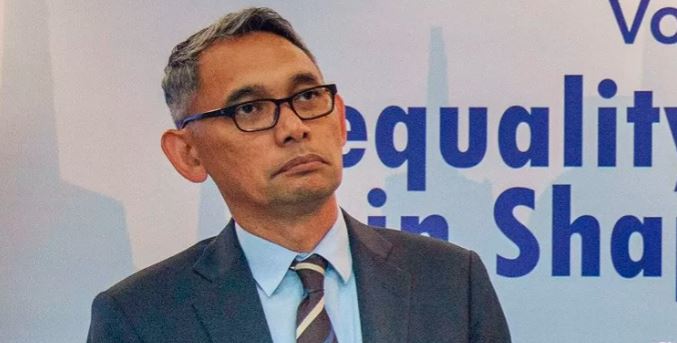
The government of the Joko Widodo (Jokowi) era is even more serious in investigating the names of other BLBI cases. Another strategy was pursued by the Ministry of Finance (Kemenkeu) by establishing a Task Force (Satgas) for the Collection of State Collection Rights for the Bank Indonesia Liquidity Assistance which was officially inaugurated on Friday, June 4, 2021.
The Minister of Finance (Menkeu) Sri Mulyani Indrawati appointed her subordinates, Rionald Silaban as the head of the BLBI Task Force. Rionald is known to be serving as the Director General of State Assets (DJKN) of the Ministry of Finance.
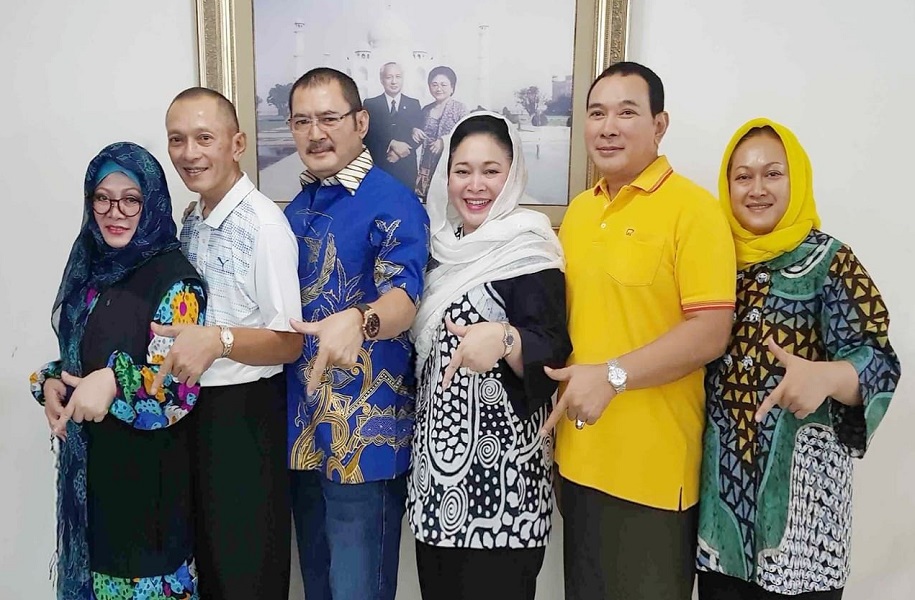
This task force will work to collect BLBI debts whose value reaches Rp110 trillion from 12,000 files. The BLBI debt includes 22 obligors, one of which is the founder of PT Global Mediacom Tbk (BMTR) and the son of President Soeharto, Bambang Trihatmodjo.
- Modernland Realty Raup Marketing Sales Rp341 Miliar pada Kuartal I-2021
- Waskita Karya Raih Kontrak Pembangunan Jalan Perbatasan RI-Malaysia Rp225 Miliar
- Pengelola Hypermart (MPPA) Berpotensi Meraih Rp670,85 Miliar Lewat Private Placement
- Gandeng Visa Indonesia, MNC Bank Luncurkan MotionVisa
- Pemkot Tangerang Buka Posko Pengisian Oksigen Medis
Rionald was given time by Sri Mulyani until December 31, 2023 to settle all of the BLBI debts. The debt consists of credit, property, foreign money accounts, to stocks and savings.
The appointment of Rio, as Rionald is familiarly called, refers to Presidential Decree (Keppres) Number 6 of 2021 concerning the Task Force for Handling State Collection Rights for BLBI Funds issued on April 6, 2021.
The ranks of this Task Force come from across Ministries/Institutions (K/L). The reason is, this Task Force also contains the Deputy Attorney General for Civil and State Administration as Vice Chairperson, and the Deputy for Coordination of Human Rights Law as Secretary. More than two decades of hunting, will the looted BLBI funds be able to return to the state’s wallet? (SKO)
This article is a series of special reports that will be continued in the next issue entitled “New Chapter of Bank Indonesia Liquidity Assistance.”
Writer: Muhamad Arfan Septiawan
Editor: Sukirno